
sarah peyton’s 2027 your resonant self extended journey presents:
FROM ALARMED ALONENESS
TO WARM ACCOMPANIMENT
A Year of Healing
Thursdays | 10:30-11:55 AM PT
December 3, 2026 – November 4, 2027

What do we do when we realize just how often we are in alarmed aloneness, the sense in our animal bodies that no one else has the capacity to truly be with us during our difficult times? How can we respond to ourselves when the early echoes of absence have become the background noise in our adult lives? What begins to change when we heal past experiences of being left alone, unseen, or unsupported?
FREE INTRODUCTION
THURSDAY, NOVEMBER 19, 2026
10:30 – 11:55 AM PT
By submitting this form you agree to receive e-mail communications about our Free Event and other news from Sarah Peyton. We value your privacy and promise to never share your information.
Series Overview
In this 29-week beyond-the-book course, focused around Sarah Peyton’s Your Resonant Self Workbook, we will look at the different kinds of traumas involved in our alarmed aloneness, and how our aloneness can result from our attempts to keep ourselves safe and self-regulated, keep our sense of belonging, and save those we love the most. Join Sarah Peyton for a year of radical, life-changing, self-love and love for others. In this course, the nervous system has time to discover that it does not have to face life alone: that support can be received, that warmth can be trusted, and that even the most frightened places in us can be met with compassion, companionship, and care.
Schedule
December 3, 2026 – November 4, 2027
Click Here to convert to your time zone
Tuition
$1,200 Regular Price
Partial scholarships may be available for this course. For more information, please write to help@sarahpeyton.com after November 26, 2026.
Skip to Content
Course Description
On a deep, radical level, how do you experience being alone? Have you rarely experienced being supported, known or considered with generosity? What happens in you when no one reaches for you, understands you, notices your distress, or responds in the way you most need? Do you collapse, freeze, pursue, withdraw, perform, over-function, disappear, and/or become fiercely self-reliant?
When do you allow yourself to ask for support, and what do you need to do first before you can risk needing anyone? When connection finally comes, are you able to receive it, or does it feel unfamiliar, unsafe, too much, too little, or already on the verge of being taken away?
Would you be willing to experiment with healing that would allow you to be:
- steady instead of braced
- connected instead of guarded
- receptive instead of defended
- trusting instead of vigilant
- relaxed instead of watchful
- present instead of preoccupied
- warm instead of numb
- and accompanied instead of alone inside yourself?
Did you ever promise yourself you would be nothing like your mother, father, or primary caregiver, while finding yourself reproducing their strategies for surviving isolation, misattunement, overwhelm, or emotional absence? Our relationship with aloneness is revealed in the ways we respond when we have the sense that no one is with us. Becoming awake to the shadow qualities in our self-protection, our independence, our longing, and our fear of needing others is a tender and complicated request of ourselves. And it becomes both more complex and more merciful when we begin to take into account the ways our caregivers, too, may have been frightened, unsupported, or alone.
As we look at these questions in the context of relational neuroscience and the development of our nervous systems, we can bring compassion, understanding, support and a radical self-love to the protective strategies that have kept us isolated from others. When we begin to understand that deep accompaniment is radical and essential, we start to invite warm curiosity into our lives, our lives and hearts soften, we create connections across differences, we become more aware of how much we love the people in our lives, and all the ecosystems and their elements, and we begin to enjoy life and one another.
What to Expect:
Each of the 13 chapters of this book is covered in two classes (three classes for chapter 8), in a series of twenty-nine 85-minute classes including a bonus session. Each class will include lectures, Q&A, discussion of exercises, demos, and personal explorations of the abilities and growth that make our brains good and comfortable places to be. This journey will take us from December of 2026 through to November of 2027, and support participants to remove the blocks to accompaniment. The full series package also includes the monthly Neuroscience and Resonance webinars during the period of the course plus opportunities for paired practice.
As a participant you will:
- Become acquainted with the survival strategies that create insulation rather than invitation
- Explore the depths of the need for accompaniment and its unconscious effect on you
- Welcome the parts of yourself that have believed they would be alone forever
- Invite yourself into a deeper sense of self-accompaniment
- Release the contracts that separate you from self
- Know yourself more fully and compassionately
- Allow for new levels of complexity and paradox in this experience of being human
- Infuse possibilities for connection into your everyday life
- Delight in new freedom and access to joy
- Learn in-depth in community
- Find your way toward an invitation to experiencing more freedom from the hidden patterns of isolation while exploring the fundamental concepts of resonance through the YRS Workbook
- Transform your brain into a more comfortable and kinder place to live
Weekly Topics
Chapter 1 – Affection for the Self as the Foundation for Healing Alarmed Aloneness
Weeks 1 & 2: December 3 and December 10, 2026
Chapter 2 – How trauma impacts the ability to feel accompanied, and blocks the flow of warmth and self-warmth
Weeks 3 & 4: December 17, 2026 and January 7, 2027
Chapter 3 – Self-accompaniment through the instrumental and relational lenses: understanding the brain’s two points of view
Weeks 5 & 6: January 14 and January 21, 2027
This pair of classes addresses contracts that negatively affect our daily lives, our relationships, and our capacity to feel accompanied in simple, practical ways. We learn about the instrumental brain and the relational brain, and how they impact our ability to remain connected with ourselves and others. Links between reductionism, self-sabotage, and inner abandonment will be explored, helping us recognize the ways we may treat ourselves as problems to be solved rather than beings to be accompanied.
Chapter 4 – How healing shame heals our ability to feel accompanied
Weeks 7 & 8: February 4 and February 25, 2027
In these two classes, we learn the dance of facial expressions in early childhood, integrating it with the Circuits of Emotion and Motivation, which help us understand the nervous system’s drop into shame in relationship. We explore how shame can create a sudden and profound sense of being alone, exposed, defective, or unreachable. We further our resonance practice with metaphors, discovering how resonant language can help us stay warmly with the parts of us that learned to hide.
Chapter 5 – Anxiety and alarmed aloneness in the effort to receive love
Weeks 9 & 10: March 4 and March 18, 2027
These two classes explore the connection between anxiety and the emotional circuits of both FEAR and PANIC/GRIEF, and how differentiation can open the door to a profound sense of accompaniment, reducing anxiety. We will start a practice of embracing our fears and bringing affection to the experience of self-acceptance. We will experience resonant remedies for anxiety, learning how to meet the alarm in the body not as something to conquer, but as something longing to be accompanied.
Chapter 6 – Life-serving rage as fuel and a doorway to differentiation
Weeks 11 & 12: April 1 and April 15, 2027
In these two classes, we trace the development of contracts that can be made during traumatic moments: contracts to never be angry, to punish ourselves for anger, to punish others for anger, or to cut ourselves off from the life-serving force of protest. We learn how to release these contracts, making more room to be different people from our mothers, fathers, or primary caregivers.
We also learn that when others’ actions cause us to break our own contracts, this can bring about rage. We will connect our work with Stephen Porges’ Polyvagal Theory and practice resonant language skills, discovering how anger can become a doorway out of helpless aloneness and into differentiated, embodied presence.
Chapter 7 – The movement from dissociation into embodied accompaniment
Weeks 13 & 14: April 22 and April 29, 2027
In these two classes, we continue integrating Porges’ Polyvagal Theory with the unconscious contract tool to uncover and transform patterns of dissociation, including contracts that keep us from fully entering or inhabiting the body. We will look at both classic dissociation and the left shift into the instrumental brain — the movement out of relationship and into management, analysis, or survival.
We examine the contracts we make not to need, not to reach, not to feel, not to be present, or not to participate fully in life. We bring our resonance skills to support exquisite gentleness in the face of immobilization, and track the journey from collapse to “immobilization-without-fear.” Slowly, we learn to rejoin the real life of relationships, allowing the body itself to become a place where accompaniment can be felt.
Chapter 8 – Attachment and freedom
Weeks 15, 16 & 17: May 6, May 27, and June 3, 2027
These three classes take us into the contracts we make to maximize well-being in response to our parents’ ways of being with us and being with emotion. These contracts are our foundations for every bit of relating, reaching, receiving, protecting, withdrawing, and longing that we do.
As well as reviewing the basics of attachment, we discover a resonant language practice that holds our connection patterns as “just right.” This practice is a radical move into secure attachment with ourselves, no matter what contracts we are dealing with, and no matter how much regret we have for our pasts.
We look at avoidant patterns and contracts, and we have the delight of looking at ambivalent patterns and contracts with special guest teacher Jaya Manske. Throughout the classes, we enjoy the signs of the movement into secure attachment: more steadiness, more warmth, more freedom, and a growing capacity to feel accompanied without losing ourselves.
Bonus Q&A Session
Week 18: June 10, 2027
The Q&A session will give you an opportunity to ask any questions you have about resonance, contract work, course content, or the lived experience of moving from alarmed aloneness toward warm accompaniment.
Chapter 9 – Disorganization: From Charisma to Unpredictable Availability and Violence
Weeks 19 & 20: June 17 and July 8, 2027
The use of self-hate, disgust, and contempt to manage emotions and stop connection is an aftereffect of traumatic attachment, and can be passed down intergenerationally. As we understand this, the root causes of the contracts made in disorganized attachment start to become clear.
We learn how we can turn predatory aggression against ourselves and others as a distortion of the SEEKING circuit, illuminating an avenue for work. The dissolution of trauma-based contracts is supportive in resolving the terror, confusion, longing, and vigilance that can arise when love has been mixed with unpredictability or danger. The work we have done to this point in the series supports us in looking at these knots of trauma, and untangling them to move us toward safety, clarity, and warm accompaniment.
Chapter 10 – A new look at depression
Weeks 21 & 22: July 22 and July 29, 2027
In this chapter, we explore depression through the lens of unresolved alarmed aloneness. Both contract work and resonance skills are needed in this life-changing journey toward joy, re-connection, and the release of the burden of facing life alone.
We also take a look at the attachment contracts that can prevent connection in order to support a movement away from life-long loneliness, which can be a contributing factor in depression. As the places in us that have been waiting alone begin to receive resonance, warmth, and companionship, the possibility of movement, vitality, and belonging can begin to return.
Chapter 11 – How addiction can be transgenerational alarmed aloneness
Weeks 23 & 24: August 26 and September 9, 2027
It has taken a long time for the world to begin to understand that addictions are related to trauma, and it will be a longer time before we fully see the way that alarmed aloneness travels transgenerationally. Our deepest hunger is for relationship, and when we can’t have it, emotional starvation can lead us toward addictions and addictive strategies.
Just as our brains make contracts with us to keep us safe, our brains can be said to make contracts with us on behalf of our addictions — and to carry forward our mothers’ or caregivers’ contracts around loneliness, comfort, contact, and need. These two classes explore what happens to us in relationship to our addictions and addictive strategies when these contracts are dissolved. Resonance skills will be practiced to support self-compassion, steadiness, and accompaniment during this process.
Chapter 12 – The relationship between sexuality, emergence and accompaniment
Weeks 25 & 26: September 23 and October 14, 2027
The delight of the SEXUALITY circuit is that it carries us from childhood into our full individuation, maturity, and authenticity. No matter the level of our sexual interest or activity, this circuit is important for well-being and growth.
There are many entanglements that stop us from really receiving and enjoying our own and others’ life energies, and many of them are connected with our sexuality, emergence, visibility, and belonging. The contracts that diminish this circuit diminish our life energy and our awe. They can also keep us alone with shame, fear, secrecy, or the sense that our full aliveness is unwelcome.
We will work with these contracts in these two classes and practice supportive resonance skills to help with both personal issues and internalized oppression from the way society judges and ranks bodies in terms of mattering. As these contracts soften, emergence becomes less lonely, and more of the self can come into warm relationship with life.
Chapter 13 – Reclaiming Joy
Weeks 27 & 28: October 21 and October 28, 2027
In these two classes examining the final chapter of the workbook, we will look at what supports the development and expression of joy, and how the experience of joy becomes deeper and richer when we fully accept and have affection for our shadow selves.
We will learn how joy is a dyadic experience — we co-create joy — and that contracts that block trust, connection, play, and accompaniment also stop joy from happening. We will dissolve these contracts and celebrate and practice the resonance skills that support the feeling and expression of joy and awe.
These classes include a look at false Bodhisattva vows, contracts made when children first perceive that there is pain in the world and commit their whole beings to a better world, no matter the cost. Commitment and contribution are very important and life-serving when they do not cost us everything. As we reclaim joy, we also reclaim the possibility of being with others, with ourselves, and with life without abandoning our own aliveness.
Week 29: November 4, 2027
In our closing session, we gather the learning, practices, tenderness, and transformations of the year. We honor the places in us that have lived in alarmed aloneness, and the many ways they have tried to protect us. We also celebrate the movement toward warm accompaniment: the growing capacity to stay with ourselves, receive others, risk connection, soften old contracts, and discover that even the most frightened places in us do not have to be met alone.
Program Benefits
Live Trainings
The full program includes over 40 hours of live training with Sarah Peyton.
Full Series Bonus! FREE Webinar Series
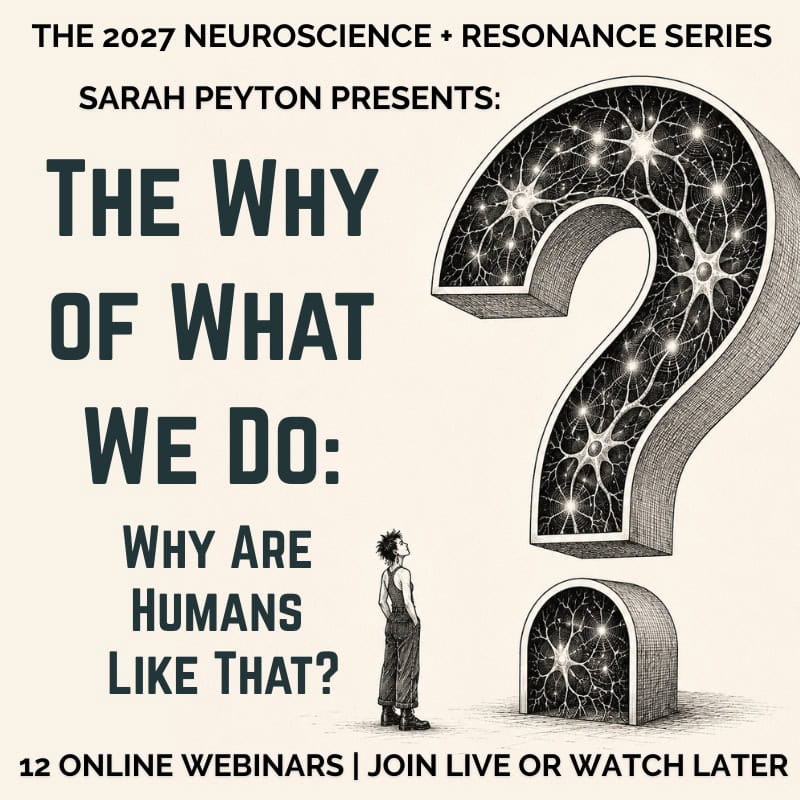
A 12-part arc of embodied inquiry, asking how our nervous systems hold, receive nourishment from, and release the relational patterns that shape us. One Tuesday evening each month, January 2027 – December 2027.
A Learning Community
Students will have the opportunity to build community in breakout rooms, large group activities, and practice partnerships outside of class.
Assistant Support
Assistant support is available during live classes for participants to practice breakout exercises or (depending on availability) receive resonant process work.
Learn at Your Own Pace
The course will meet via zoom. Recordings and visuals will be made available to those who are registered for the live program. We welcome participants from all time zones.

Get Certified
Receive credit hours to count towards prerequisite requirements for the Resonant Healing Practitioner Certification Program.
Register
From Alarmed Aloneness to Warm Accompaniment: A Year of Healing
Original price was: $1,200.00.$800.00Current price is: $800.00.
*PLEASE NOTE:
- Your tuition payment is non-refundable (but it is transferable).
- This course will be recorded for those who want to learn asynchronously for some or all sessions.
- This work is not therapy and is not a substitute for therapy. If you have a sense that you would be destabilized by yourself or others speaking about difficult events, then this course may not be for you. While we hope that the processes and information that we share can be of use in your journey, we do not have the resources to support extreme psychological difficulties.
About the Instructors
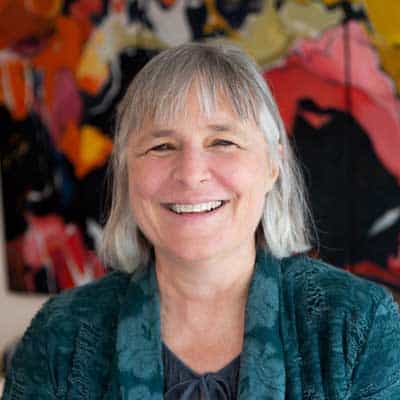
Sarah Peyton, Certified Trainer of Nonviolent Communication and neuroscience educator, integrates brain science and the use of resonant language to heal personal and collective trauma with exquisite gentleness.
Sarah is a sought-after expert who brings neuroscience expertise together with depth work, self-compassion, and the transformative potential of language. She works with audiences internationally to create a compassionate understanding of the effects of relational trauma on the brain, and teaches people how words change and heal us.
Sarah teaches and lectures internationally and is the author of four books on relational neuroscience and self-compassion: Your Resonant Self: Guided Meditations and Exercises to Engage Your Brain’s Capacity for Healing, the companion Your Resonant Self Workbook: From Self-sabotage to Self-care, and Affirmations for Turbulent Times: Resonant Words to Soothe Body and Mind, and The Antiracist Heart: A Self-Compassion and Activism Handbook, co-authored alongside Roxy Manning, PhD.
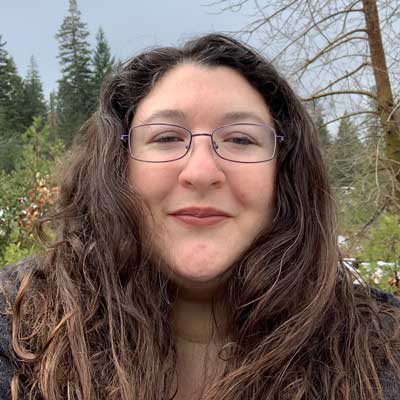
Jaya Manske is a transformative healing-centered coach and resonant healing practitioner with a passion for supporting people to cultivate kindness, compassion and gentleness for themselves and reconnect to their wholeness and mattering. She has been an empathetic practitioner since 2001 and is a member of Sarah’s team.
A former educator with a degree focused on developmental theory, Jaya has an in-depth background in attachment theory and how resonance transforms our ability to be in a kinder relationship with ourselves and others.
Informed by developmental theory, relational neuroscience, and the ways trauma impacts the brain and nervous system, Jaya offers resonant empathy, unconscious contracts/sacred vow work, time travel empathy, and is a certified mindfulness and wellness coach.